Managing business purchases efficiently is essential for maintaining financial control, reducing operational costs, and ensuring smooth business operations. Traditional purchasing methods often involve spreadsheets, paperwork, manual approvals, and lengthy email conversations. These processes can lead to errors, delayed orders, and a lack of visibility into company spending. This is where purchase order management software becomes a valuable solution for modern businesses.
By automating purchasing activities, businesses can simplify procurement workflows, improve communication with suppliers, and maintain accurate purchasing records. Whether a company operates in manufacturing, retail, healthcare, construction, or another industry, the right software can make purchasing more organized and efficient.
What Is Purchase Order Management Software?
Purchase order management software is a digital solution designed to create, approve, track, and manage purchase orders throughout the procurement process. It helps businesses handle purchasing activities from the initial request to order delivery and invoice verification.
Instead of relying on manual documentation, organizations can manage purchase orders through a centralized platform. Employees can submit purchase requests, managers can review and approve them, and procurement teams can monitor order progress in real time.
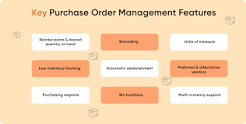
Many solutions also offer features such as supplier management, budget tracking, inventory integration, automated notifications, and reporting tools. These capabilities help businesses establish a structured purchasing process while minimizing administrative workloads.
Key Benefits of Purchase Order Management Software
1. Improved Purchasing Efficiency
Manual purchasing processes consume valuable time and require employees to complete repetitive administrative tasks. With purchase order management software, businesses can automate order creation, approval routing, and recordkeeping.
Automated workflows reduce unnecessary paperwork and help purchasing teams process requests more quickly. Employees can focus on strategic activities, such as negotiating better supplier prices and improving procurement planning.
2. Better Spending Control
Controlling expenses is essential for maintaining profitability. Purchase order management software allows businesses to establish purchasing limits, approval rules, and budget controls.
Managers can review purchase requests before orders are placed, helping prevent unauthorized spending and unnecessary purchases. Detailed reports also provide insights into purchasing patterns, departmental expenses, and supplier costs.
This increased visibility supports better financial planning and helps organizations make informed purchasing decisions.
3. Greater Accuracy and Fewer Errors
Manual data entry can result in incorrect quantities, pricing mistakes, duplicate orders, and missing information. Such errors may cause payment disputes, delivery delays, and additional expenses.
A centralized purchasing system helps standardize purchase order creation and maintain consistent records. Automated calculations, reusable templates, and validation rules can further reduce common mistakes.
Accurate documentation also makes it easier to compare purchase orders with invoices and received goods.
4. Stronger Supplier Relationships
Reliable supplier relationships are important for maintaining consistent business operations. Purchase order management software improves communication by keeping order details, delivery schedules, and purchasing records organized in one place.
Procurement teams can track order statuses, identify delayed deliveries, and communicate requirements more effectively. Better coordination helps suppliers understand expectations and allows businesses to respond quickly when problems arise.
Over time, improved communication can support stronger partnerships and more dependable purchasing arrangements.
Essential Features to Look For
When selecting purchase order management software, businesses should evaluate features that match their operational requirements.
Important capabilities include:
- Automated approval workflows: Route purchase requests to the appropriate managers based on company policies.
- Real-time order tracking: Monitor purchase orders from creation through delivery.
- Supplier management: Maintain supplier details, pricing information, and purchasing histories.
- Budget monitoring: Compare planned purchases against available budgets.
- Reporting and analytics: Analyze spending trends, supplier performance, and purchasing activity.
- System integration: Connect purchasing workflows with accounting, inventory, and enterprise resource planning systems.
- Document management: Store purchase orders and supporting documents in a centralized location.
Choosing a solution with these features can help businesses create a more transparent and reliable procurement process.
How to Choose the Right Software for Your Business
Selecting the right platform requires an understanding of current purchasing challenges and future business goals. Start by evaluating the number of purchase orders your organization processes, the complexity of its approval structure, and its existing software systems.
Consider ease of use, customization options, security measures, reporting capabilities, and scalability. The platform should support your current operations while accommodating future growth.
It is also important to compare implementation costs, subscription fees, customer support, and employee training requirements. Requesting a demonstration can help you understand how the software fits into your daily workflows before making a final decision.
Conclusion
Efficient procurement plays an important role in business growth, cost management, and operational success. Purchase order management software helps organizations automate purchasing activities, improve spending visibility, reduce errors, and strengthen supplier relationships.
By choosing a solution that aligns with their requirements, businesses can simplify procurement workflows and establish better purchasing controls. Investing in the right software can transform a time-consuming administrative process into a more organized, transparent, and productive business operation.